SAFARI & TOUR OF ST LUCIA - ISIMANGALISO IN SOUTH AFRICA
Learn More On AfricanMecca Safari Tier Ratings & Experiences For South Africa
CONTACT AN EXPERT ON ST LUCIA - ISIMANGALISO SAFARIIntroduction To St Lucia - Isimangaliso National Park
Some of South Africa's best-protected indigenous coastal forests are found along the subtropical coastline of KwaZulu-Natal, such as at Dukuduku and Kosi Bay. It is also along this coast that the magnificent St Lucia Estuary and Kosi Bay lakes are located. With the Drakensberg, the Greater St Lucia Wetlands Park is one of KwaZulu-Natal's two Unesco World Heritages sites. The iSimangaliso Wetland Park is one of the jewels of South Africa's coastline, with a unique mosaic of ecosystems - swamps, lakes, beaches, coral reefs, wetlands, woodlands, coastal forests and grasslands - supporting an astounding diversity of animal, bird and marine life. Formerly known as the Greater St Lucia Wetland Park, the Park was renamed on 1 November 2007 to better reflect its unique African identity - and to avoid confusion with the Caribbean island country St Lucia. Located on the north-eastern coast of KwaZulu-Natal, stretching from Kozi Bay in the north to Cape St Lucia in the south, the iSimangaliso Wetland Park was the first site in South Africa to be inscribed on the World Heritage List by the United Nations Educational, Scientific and Cultural Organisation (UNESCO).
Wildlife & Ecology At St Lucia - Isimangaliso
iSimangaliso's uniqueness lies in its remarkable diversity, particularly its combination of a subtropical coastline and a classic African game park. It is South Africa's third-largest park, spanning 280 kilometres of coastline, from the Mozambican border in the north to Mapelane south of the St Lucia estuary, and made up of around 328 000 hectares of pristine natural ecosystems - including swamps, lake systems, beaches, coral reefs, wetlands, woodlands and coastal forests. The park takes in a 60-kilometre river mouth that creates a huge estuary, Lake St Lucia, running parallel to the coast and separated from the sea by the world's highest forested sand dunes. The lake is part of the St Lucia estuarine system, the largest estuarine system in Africa. The park incorporates the whole of Lake St Lucia, the St Lucia and Maputaland Marine Reserves, the Coastal Forest Reserve and the Kosi Bay Natural Reserve. The 40 000 hectare Mkuzi Game Reserve is also in the process of being incorporated into the park.
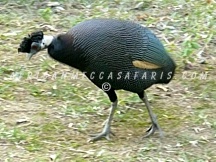
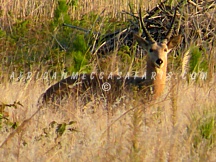
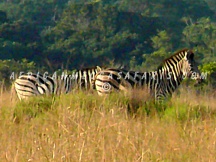
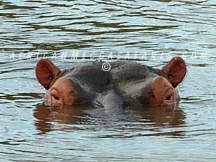
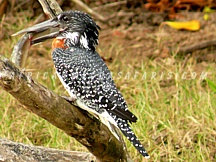
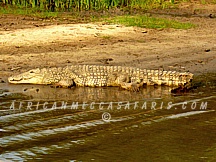
iSimangaliso's wide variety of ecosystems and natural habitats provides for an astounding diversity of species in the area. With its lakes, lagoons, freshwater swamps and grasslands, iSimangaliso supports more species of animal than the better-known and much larger Kruger National Park and Okavango Delta - from the country's largest population of hippos and crocodiles to Giant Leatherback turtles, black rhino, leopards, and a vast array of bird and marine life. According to Living Lakes, more than 530 species of birds use the wetland and other areas of the Lake St Lucia region. "These waters also are graced by 20 000 greater flamingos, 40 000 lesser flamingoes, as well as thousands of ducks. With 36 species, this area has the highest diversity of amphibians in South Africa. In proclaiming the iSimangaliso Wetland Park a World Heritage Site in 1999, Unesco said: "The interplay of the park's environmental heterogeneity with major floods and coastal storms, and a transitional geographic location between sub-tropical and tropical Africa, has resulted in exceptional species diversity and ongoing speciation.
"The mosaic of landforms and habitat types creates superlative scenic vistas. The site contains critical habitat for a range of species from Africa's marine, wetland and savannah environments." In 1989, a mining company seeking titanium and other metals sought to bulldoze the dunes along the eastern shore of Lake St Lucia. In 1996, the South African government followed the recommendations of an environmental assessment in barring the mining proposals - and began work on an integrated development and land-use planning strategy for the entire region. Under the Lubombo Spatial Development Initiative, the governments of South Africa, Swaziland and Mozambique aim to foster sustainable investment and job creation in the area, using the iSimangaliso Wetland Park as the core.
The variety of natural settings, the abundance of wildlife, and the sheer beauty of the place draw tourists to the area in increasing numbers. There is plenty to do - from fishing, boating and scuba diving to hiking, horseriding, game viewing, whale and bird watching. The park is also one of South Africa's most popular fishing destinations, lending itself to rock and surf fishing, kite fishing, spear fishing, fly fishing, estuary fishing and deep sea fishing. There are plenty of hiking trails through the park ranging from a few hours' to a few days' worth offering the opportunity to see a huge variety of animal and bird life. Accommodation options are extensive, ranging from camping to private game lodges, and including hotels, flats and chalets in the nearby town of St Lucia.
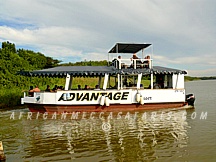
St Lucia - Isimangaliso Camp & Lodge Accommodations In South Africa
Click here for listing of camps and lodges in St Lucia - Isimangaliso
AFRICANMECCA REVIEWS
What are our Customers saying about our safari holidays?
On behalf of myself, my wife and my two adult daughters, I want to sincerely thank you and AfricanMecca Safaris for our fabulous recent safari. Everything you promised exceeded our expectations and was superb, which is saying a lot since this was our second trip, having had a wonderful Botswana Safari 10 years ago. Do not ever hesitate to use me as a reference.
Robert Schenkein - prVision Photography Studio - Colorado, United States
Chobe was delightful, less than half full. Sussi and Chuma, very nice, again only 13 people in all. All the game drives and river cruises were excellent. We had great weather. The ability to get really close is in inspiring. EVERYWHERE we went, the people were warm, helpful and charming. Thank you so much. We will be recommending your services to all.
Thomas Kelch - California, United States
Raza Visram at AfricanMecca planned the most amazing trip for my friend and I. I wanted to go to 4 countries in 15 days and he made it happen. It was an aggressive itinerary and Raza planned it so well, that the transitions were seamless. The last leg of the trip was Botswana for another Safari and we stayed at the most beautiful lodge. The excitement in seeing the animals so closely is indescribable.
Karin Alsdorf - New Jersey, United States
I had a wonderful trip to Africa and I would highly recommend your company.I have been to Africa many times and I have never had such wonderful service. The guide and safari vehicle were both great and all the lodges were outstanding. We will be going to Africa again the year after next and I assure you I will be contacting you. Thanks again for arranging such a great trip.
Ronald Price, President, Ron Price Motors Group - California, United States
Greetings to you and our most fervent thanks for a wonderful trip of Kenya, Zanzibar, South Africa & Victoria Falls. This was truly a perfect vacation. Thank you so much for all your arrangements. It was a trip filled with different kinds of adventures. We experienced and learned so much. Would highly recommend it to others who are interested in similar trips. Wishing you the very best.
Adrienne & Barrie Carter - Canada
Thank you for everything; we had an amazing honeymoon. Words really can't describe our experience, all we can really say was that it was the most amazing experience of our lives and we would recommend AfricanMecca to anyone. We hope to visit Africa again sometime next year! Thank you & all of your staff for an amazing & perfect honeymoon.
Rick Sagoo - London, United Kingdom
CONTACT AND TALK TO OUR SOUTH AFRICA TOUR EXPERTS TODAY TO START YOUR TRIP PLANNING PROCESS
Request South Africa Custom Or Tailor-Made Safari Vacation Pricing Based On Your Specific Travel Dates At Your Preferred Safari Tier Lodge Or Camp
CONTACT AN EXPERT ON SOUTH AFRICA SAFARI PRICES & TOURS